Koji Nakada
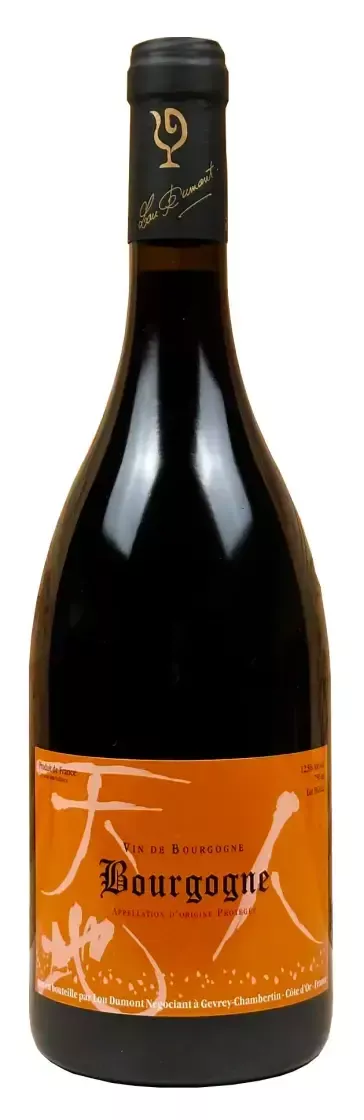
Lou Dumont sounds like a proper name, but it is actually the fantasy name of a Burgundian estate—the very one we are about to discuss.
Behind it stands a married couple: Koji Nakada, a Japanese native, and his wife, Jae-Hwa, who is Korean. Lou is the name of their goddaughter, which translates to "cute" or "lovely"—and that is precisely how this couple feels about their wine. Dumont—Du Mont—means "from the mountains" or "mountainous," a reference to the homeland of both spouses, each hailing from mountainous regions.
Koji worked as a sommelier in Japan for six years. In 1996, he moved to France to study French and oenology in Beaune. He worked in Bordeaux, Alsace, and Champagne. In Burgundy, he worked at Clos de Tart. In 2000, he made his first vintage as a négociant, but it wasn't until 2012 that he was able to purchase his very first vineyard plot—and straightaway in Gevrey! He says this was a stroke of luck, possible only because it happened 13 years ago. And this pride will be passed down to his children.
Koji knew Henri Jayer, studied under him, and Jayer even came to consult on his early vintages. They remained friends until the end of Jayer's days. A story increasingly rare in Burgundy, as that generation of mentors, sadly, is swiftly fading.
Today, the estate owns 6.5 hectares of vineyards and continues its négociant project, releasing wines under their own label from appellations ranging from Nuits to Dijon. The crown jewel, of course, is Gevrey.
The vineyards are farmed biodynamically: chickens roam freely, and Koji himself walks behind a horse-drawn plow. He is an extraordinarily kind, bright, and optimistic person, very much reminiscent of Seiichi Saito in spirit. With Japanese devotion and diligence, he gives himself entirely to the land and his beloved barrels, and he has an boundless love for his vines.
The winery is located in Gevrey, right next to a parcel in the heart of the village. Aging takes place there, in the old cellar of Jean-Marie Fourrier's father. The cellar is traditional, stone-walled, and cold—and, as is always the case with the Japanese, pedantically immaculate and pristine. Vinification is carried out without sulfur: this is low-intervention winemaking at its most dedicated.